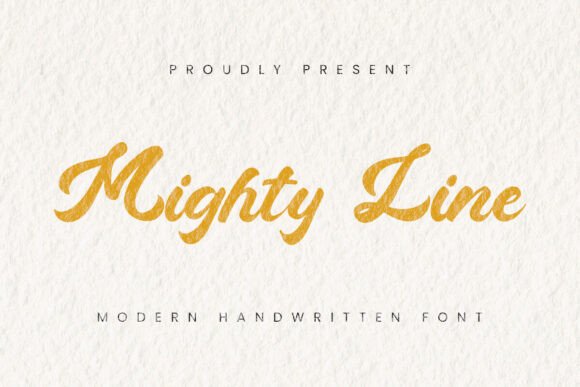
Mighty Line: A Dynamic Script Handwritten Typeface
When I first opened the file for Mighty Line, I was in the middle of a frustrating redesign for a lifestyle blog that had lost its soul. The previous headers felt stiff, corporate, and disconnected from the warm, personal stories the author shared. I needed something that could bridge the gap between professional polish and human touch. That is when I discovered that Mighty Line is a dynamic and energetic modern handwritten script that captures the movement of genuine penmanship.With its bold, sweeping connections and casual, friendly feel, this font is perfect for creating an immediate emotional connection with readers. As I tested it against various backgrounds and color palettes, I realized this wasn't just another decorative element; it was a tool for storytelling.
Creating Authentic Brand Identity with Mighty Line Script
In the world of digital publishing, standing out requires more than just good content; it requires a distinct visual voice. Script Handwritten styles often struggle to balance legibility with personality, but Mighty Line manages this delicate act with grace. When I applied it to the main navigation and hero sections of the blog, the change was instantaneous. The bold, sweeping connections gave the layout a sense of forward motion, while the casual, friendly feel invited readers to stay longer. This type of Fonts selection is crucial for brands that want to appear approachable yet authoritative. It transforms a static page into a living conversation, making the reader feel as though they are being personally addressed by the creator.
Enhancing Ebook Covers and Digital Product Packaging
Beyond web design, I tested Mighty Line on a series of ebook covers for a coaching workbook project. The challenge here was to create a title that popped on small mobile screens while retaining its elegance in print. Because Mighty Line is a dynamic and energetic modern handwritten script that captures the movement of genuine penmanship.With its bold, sweeping connections and casual, friendly feel, this font is perfect focusing attention on key titles, it became the ideal choice for cover typography. The weight of the strokes ensures that the text remains readable even when scaled down for thumbnail views on online marketplaces. For creators selling printable planners or digital guides, using a premium Script Handwritten font like this adds perceived value, signaling that the content inside is crafted with care and creativity.
Improving Readability and Visual Hierarchy in Editorial Layouts
One of the most common mistakes in editorial design is overusing decorative Fonts. However, Mighty Line proves that a script can serve functional purposes beyond mere decoration. I used it specifically for chapter openers and pull quotes within a long-form magazine feature. The contrast between the flowing script and the clean, structured body copy created a natural rhythm for the eye. Readers naturally pause at these elements, allowing them to digest complex information before moving on. This strategic use of Script Handwritten typography helps break up dense text blocks, reducing cognitive load and keeping the audience engaged throughout the article. It is not about replacing readability but enhancing the overall reading experience through thoughtful visual breaks.
Pairing Mighty Line with Serif and Sans Serif Typefaces
To maximize the impact of Mighty Line, proper font pairing is essential. In my recent newsletter graphic designs, I paired this dynamic script with a classic serif font for the body text. The serif’s traditional stability grounded the energetic flair of the script, creating a balanced and sophisticated look. Alternatively, for a more modern and minimalist aesthetic, I experimented with a clean sans serif font for captions and navigation menus. This combination allowed Mighty Line to shine as the primary display element without competing for attention. When selecting Fonts for your own projects, consider the mood you wish to convey. A serif pairing suggests tradition and trust, while a sans serif pairing feels contemporary and fresh. Both approaches work well because Mighty Line is a dynamic and energetic modern handwritten script that captures the movement of genuine penmanship.With its bold, sweeping connections and casual, friendly feel, this font is perfect for versatile design applications.
Practical Considerations for Commercial and Personal Use
Before integrating any new typeface into your workflow, it is vital to understand its technical capabilities. Mighty Line comes with a range of features that support professional design needs, including multilingual support and various file formats suitable for both web and print. For those creating commercial products such as paid newsletters, client publications, or digital downloads, checking the commercial font licensing is a necessary step to ensure compliance. The versatility of this Script Handwritten style means it can be used across multiple platforms, from social media graphics to packaging design. Its ability to maintain clarity at different sizes makes it a reliable asset for any designer’s toolkit. Whether you are designing a wedding guide or a corporate report, the right Fonts choice can elevate the entire project.
Building Consistency Across Multi-Platform Content
Consistency is key to building a recognizable brand identity. By using Mighty Line across all touchpoints—blog headers, email signatures, social media posts, and printable worksheets—you create a cohesive visual language. This consistency helps audiences instantly recognize your content, fostering trust and loyalty. The energetic nature of the font ensures that your brand never feels stagnant, while its handwritten roots keep it authentic. As you expand your content library, having a dependable display font like this simplifies the design process. You no longer need to search for a new typeface for every project; instead, you can rely on the established character of Mighty Line to carry your message. This efficiency allows you to focus more on content creation and less on design decisions, streamlining your workflow and improving output quality.